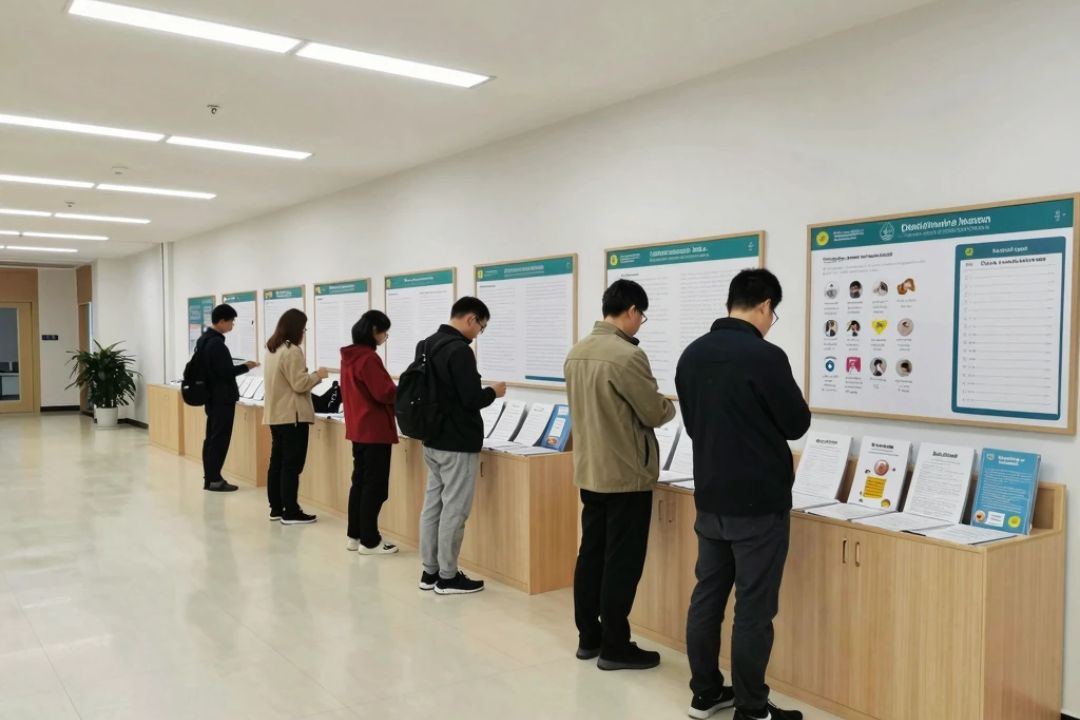
Government Welfare Schemes in India: Eligibility, Benefits & Application Guide
Introduction
Government welfare schemes in India play a vital role in improving the social and economic conditions of citizens. These initiatives are designed to provide financial assistance, healthcare support, employment opportunities, education facilities, housing benefits, and social security to different sections of society. From farmers and women to students, senior citizens, workers, and economically weaker families, government schemes help millions of people access essential services and improve their quality of life.
The Government of India regularly introduces welfare programs to reduce poverty, promote equality, and support sustainable development. However, many eligible citizens are still unaware of these schemes, their eligibility criteria, benefits, and application procedures.
This article provides a detailed guide to the major government welfare schemes in India, including eligibility requirements, key benefits, and how to apply for these programs online and offline.
What Are Government Welfare Schemes?
Government welfare schemes are programs launched by the central and state governments to provide financial, social, and economic support to citizens. These schemes focus on improving living standards and ensuring equal access to opportunities.
The main objectives of welfare schemes include:
- Reducing poverty and social inequality.
- Providing financial security to vulnerable groups.
- Improving healthcare and education access.
- Supporting farmers and rural communities.
- Encouraging employment and entrepreneurship.
- Promoting women and child development.
These initiatives help create a more inclusive society where every citizen can participate in economic growth.
Major Government Welfare Schemes in India
1. Pradhan Mantri Jan Dhan Yojana (PMJDY)
The Pradhan Mantri Jan Dhan Yojana is a financial inclusion program aimed at providing banking facilities to every citizen, especially people from low-income groups.
Eligibility:
- Indian citizens who do not have a bank account.
- Individuals meeting banking identification requirements.
Benefits:
- Zero-balance bank accounts.
- Access to banking services.
- RuPay debit card facility.
- Direct transfer of government benefits.
- Improved financial security.
How to Apply:
Citizens can apply by visiting a nearby bank branch or authorized banking center with required identity documents.
2. Ayushman Bharat Yojana
Ayushman Bharat is one of India’s largest healthcare welfare schemes. It provides health coverage to eligible families and helps reduce medical expenses.
Eligibility:
- Families included according to government-approved socio-economic criteria.
- Eligible beneficiaries listed in official databases.
Benefits:
- Financial support for hospital treatment.
- Coverage for various medical procedures.
- Reduced healthcare expenses.
- Access to quality medical services.
How to Apply:
Eligible citizens can check their status through official government health portals or visit authorized health centers with identification documents.
3. Pradhan Mantri Awas Yojana (PMAY)
The Pradhan Mantri Awas Yojana aims to provide affordable housing facilities to eligible families.
The scheme has separate components for rural and urban areas.
Eligibility:
- Families without permanent houses.
- Economically weaker sections.
- Low-income and middle-income households meeting scheme guidelines.
Benefits:
- Financial assistance for house construction.
- Support for affordable housing.
- Better living conditions.
- Improved access to basic facilities.
How to Apply:
Applicants can submit applications online through official housing scheme portals or apply through local government offices.
4. Pradhan Mantri Kisan Samman Nidhi (PM-KISAN)
PM-KISAN provides financial assistance to eligible farmers to support agricultural activities and improve income stability.
Eligibility:
- Eligible landholding farmer families.
- Farmers meeting government guidelines.
Benefits:
- Direct financial assistance.
- Support for farming expenses.
- Improved financial stability for farmers.
- Encouragement for agricultural development.
How to Apply:
Farmers can register through the official PM-KISAN portal or approach local agriculture offices with land and identity documents.
5. Mahatma Gandhi National Rural Employment Guarantee Act (MGNREGA)
MGNREGA is an employment guarantee program that provides wage employment opportunities in rural areas.
Eligibility:
- Adult members of rural households.
- Individuals willing to perform unskilled manual work.
Benefits:
- Guaranteed employment opportunities.
- Income support for rural families.
- Development of village infrastructure.
- Improved livelihood security.
How to Apply:
Applicants can request a job card through their Gram Panchayat by submitting required documents.
6. Pradhan Mantri Ujjwala Yojana (PMUY)
The Pradhan Mantri Ujjwala Yojana provides clean cooking fuel access to eligible women from economically weaker households.
Eligibility:
- Women from eligible low-income families.
- Applicants meeting government criteria.
Benefits:
- LPG connection support.
- Reduced indoor air pollution.
- Improved health and safety.
- More convenient cooking facilities.
How to Apply:
Eligible applicants can apply through LPG distributors or official online platforms with required documents.
7. National Food Security Act (NFSA)
The National Food Security Act ensures affordable food grains for eligible households through the Public Distribution System.
Eligibility:
- Families identified under government guidelines.
- Eligible ration card holders.
Benefits:
- Subsidized food grains.
- Improved food accessibility.
- Support for vulnerable communities.
- Reduced hunger and food insecurity.
How to Apply:
Citizens can apply for ration cards through state food department websites or local government offices.
8. Pradhan Mantri Mudra Yojana (PMMY)
The Mudra Yojana supports small businesses and entrepreneurs by providing financial assistance.
Eligibility:
- Small business owners.
- Micro-enterprises and self-employed individuals.
Benefits:
- Business loans.
- Support for entrepreneurship.
- Employment generation opportunities.
- Financial assistance for business growth.
How to Apply:
Applicants can approach banks, microfinance institutions, or authorized lending agencies.
9. Skill India Mission
Skill India focuses on providing training and employment-related skills to young people.
Eligibility:
- Indian citizens interested in skill development.
- Students, job seekers, and workers.
Benefits:
- Professional training.
- Improved employment opportunities.
- Industry-based skill development.
- Support for career growth.
How to Apply:
Candidates can register through official skill development platforms or authorized training centers.
10. Beti Bachao Beti Padhao Scheme
This scheme promotes the education, protection, and empowerment of girls.
Eligibility:
- Girls and families eligible under related government programs.
- Communities targeted for awareness and development activities.
Benefits:
- Promotes girl education.
- Encourages gender equality.
- Creates awareness about women’s rights.
How to Apply:
Benefits are implemented through government departments, schools, and community programs.
General Documents Required for Government Schemes
Although requirements vary depending on the scheme, common documents include:
- Aadhaar card.
- Identity proof.
- Address proof.
- Bank account details.
- Income certificate.
- Caste certificate (if applicable).
- Land documents for farmer schemes.
- Educational documents for student schemes.
Applicants should verify the exact requirements before applying.
How to Apply for Government Welfare Schemes Online
Many government schemes now provide online application facilities. The general process includes:
Step 1: Visit the Official Government Portal
Access the official website related to the scheme.
Step 2: Check Eligibility
Review eligibility criteria carefully before applying.
Step 3: Complete the Application Form
Enter personal details and upload required documents.
Step 4: Submit the Application
Review information and submit the form.
Step 5: Track Application Status
Use the application reference number to check progress.
Benefits of Applying for Government Welfare Schemes
Government welfare schemes provide several advantages:
Financial Support
Many programs provide direct financial assistance to eligible citizens.
Better Healthcare Access
Health schemes reduce the burden of medical expenses.
Employment Opportunities
Skill and employment programs improve income opportunities.
Social Security
Pension and insurance schemes provide protection during difficult situations.
Improved Quality of Life
Housing, food, and education programs help families achieve better living standards.
Challenges in Accessing Government Schemes
Despite their benefits, some challenges remain:
Lack of Awareness
Many citizens are unaware of available government programs.
Documentation Problems
Incomplete documents can delay applications.
Digital Literacy Issues
Some people face difficulties using online application systems.
Implementation Delays
Administrative issues can slow down benefit delivery.
Tips for Successfully Applying for Government Schemes
- Check eligibility before applying.
- Keep all documents updated.
- Use official government websites only.
- Avoid sharing personal information with unauthorized sources.
- Track application status regularly.
- Contact government offices for assistance if needed.
Conclusion
Government welfare schemes in India provide essential support to millions of citizens by improving access to healthcare, education, employment, housing, financial services, and social security. Programs such as PMJDY, Ayushman Bharat, PMAY, PM-KISAN, MGNREGA, Ujjwala Yojana, and Skill India have created opportunities for economic and social development.
Understanding the eligibility criteria, benefits, and application process helps citizens take full advantage of these initiatives. With increasing digital services and improved awareness, government welfare schemes are becoming more accessible and effective in building a stronger and more inclusive India.