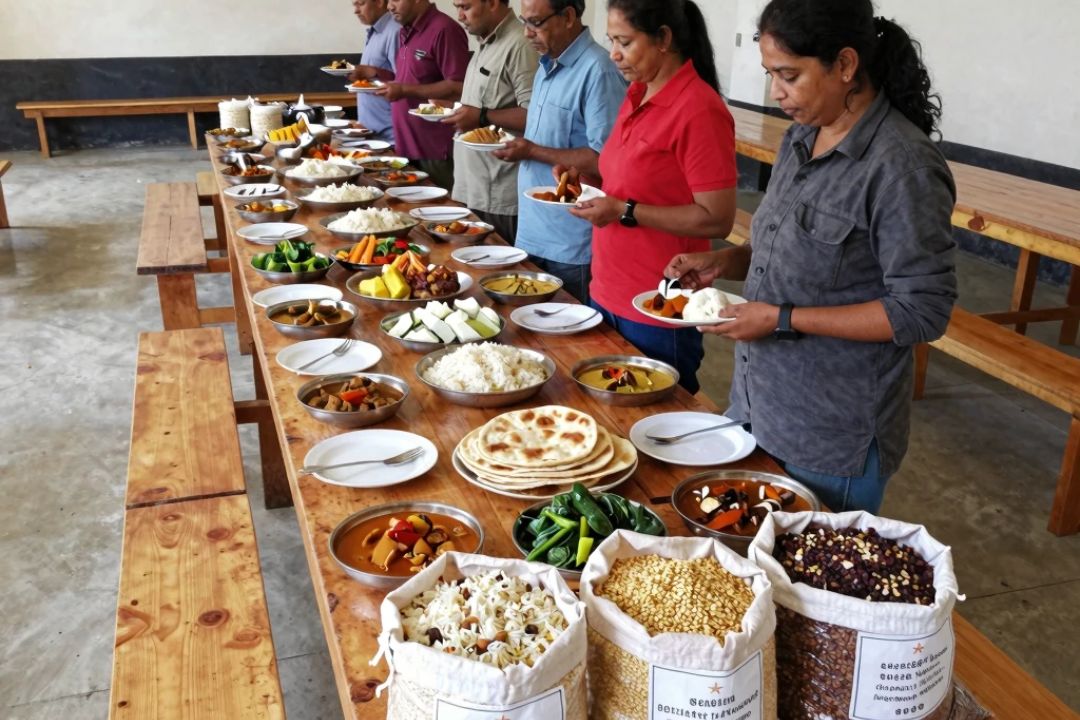
India’s Food Security Programs: Policies, Benefits, and Implementation
Introduction
Food security is one of the most important aspects of social and economic development. For a country like India, with a population of more than a billion people, ensuring access to sufficient, affordable, and nutritious food is a major national priority. Food security is not only about preventing hunger but also about improving nutrition, supporting farmers, and creating a stable food supply system.
The Government of India has introduced several food security programs and policies to protect vulnerable communities, improve agricultural production, and ensure that every citizen has access to essential food resources. These initiatives focus on food distribution, nutrition improvement, farmer welfare, and sustainable agriculture.
Over the years, India’s food security framework has evolved through various schemes such as the National Food Security Act (NFSA), Public Distribution System (PDS), PM Garib Kalyan Anna Yojana, PM POSHAN, and other agricultural support programs. These initiatives have helped millions of people fight hunger and improve their quality of life.
This article explores the major food security programs in India, their policies, benefits, and implementation strategies.
Understanding Food Security in India
Food security means that all people have regular access to enough safe and nutritious food needed for a healthy life. It is based on four major pillars:
1. Availability of Food
Food should be produced and supplied in sufficient quantities to meet the needs of the population.
2. Accessibility of Food
People should have the financial ability and physical access to obtain food.
3. Quality and Nutrition
Food should provide essential nutrients required for proper growth and health.
4. Stability of Food Supply
Food availability should remain consistent during economic challenges, natural disasters, and emergencies.
India’s food security policies aim to strengthen all these areas through government intervention and welfare programs.
Major Food Security Policies in India
1. National Food Security Act (NFSA), 2013
The National Food Security Act is one of India’s most significant food security policies. It provides legal rights to subsidized food grains for eligible households through the Public Distribution System.
The main objective of NFSA is to ensure that vulnerable sections of society have access to affordable food.
Key Features of NFSA:
- Provides subsidized food grains such as rice, wheat, and coarse grains.
- Covers a large section of rural and urban populations.
- Provides nutritional support to women and children.
- Strengthens government food distribution mechanisms.
- Promotes transparency in food delivery.
The NFSA has become a foundation of India’s food security system by making food assistance a legal entitlement.
2. Public Distribution System (PDS)
The Public Distribution System is one of India’s oldest food security mechanisms. It provides essential food grains to eligible beneficiaries through fair price shops across the country.
The government procures food grains from farmers, stores them through government agencies, and distributes them at subsidized prices.
Benefits of PDS:
- Ensures affordable food availability.
- Helps poor families manage food expenses.
- Reduces the impact of food price inflation.
- Supports vulnerable groups during difficult times.
Digital reforms such as electronic ration cards, biometric verification, and online monitoring have improved the efficiency of the PDS system.
3. Pradhan Mantri Garib Kalyan Anna Yojana (PMGKAY)
The Pradhan Mantri Garib Kalyan Anna Yojana was introduced during the COVID-19 pandemic to provide additional food support to millions of people affected by economic disruptions.
The scheme provided free food grains to eligible beneficiaries through existing food distribution channels.
Importance of PMGKAY:
- Provided emergency food assistance.
- Supported low-income families during crises.
- Helped migrant workers and vulnerable communities.
- Strengthened India’s disaster response system.
The program demonstrated the importance of maintaining strong food security policies during emergencies.
4. PM POSHAN Scheme
The PM POSHAN scheme, earlier known as the Mid-Day Meal Scheme, focuses on improving nutrition among school children. It provides free meals to students in government and government-aided schools.
The program combines education support with nutritional improvement.
Objectives of PM POSHAN:
- Reduce childhood hunger.
- Improve nutritional levels among students.
- Increase school attendance.
- Encourage children from disadvantaged backgrounds to continue education.
This initiative plays a major role in improving child health and reducing malnutrition.
5. Integrated Child Development Services (ICDS)
The Integrated Child Development Services scheme focuses on improving the health and nutrition of children, pregnant women, and breastfeeding mothers.
The program operates through Anganwadi centers across India.
Major Services Under ICDS:
- Supplementary nutrition.
- Health check-ups.
- Immunization support.
- Growth monitoring.
- Nutrition education.
ICDS helps address early childhood malnutrition and supports healthier development among children.
6. One Nation One Ration Card Scheme
The One Nation One Ration Card scheme aims to make food benefits portable across India. It allows eligible ration card holders to access subsidized food grains from any fair price shop in the country.
This policy is especially useful for migrant workers who move between states for employment.
Benefits of ONORC:
- Provides nationwide access to ration benefits.
- Supports migrant communities.
- Improves flexibility in food distribution.
- Reduces barriers to accessing government assistance.
The scheme represents an important step toward creating a more inclusive food security system.
7. PM-KISAN Scheme and Farmer Support Policies
Farmers are central to India’s food security because they ensure continuous food production. The Pradhan Mantri Kisan Samman Nidhi (PM-KISAN) scheme provides financial assistance to eligible farmers.
Benefits of PM-KISAN:
- Provides income support to farmers.
- Helps cover agricultural expenses.
- Supports small and marginal farmers.
- Encourages agricultural productivity.
Strong farmer support policies contribute to long-term food availability and rural development.
Implementation of Food Security Programs in India
Effective implementation is essential for the success of food security programs. The Indian government uses multiple strategies to improve the delivery of food and nutrition benefits.
1. Digital Technology Integration
Technology has improved transparency and efficiency in food distribution. Digital ration cards, online databases, and biometric verification systems help reduce errors and ensure benefits reach the right beneficiaries.
2. Strengthening Food Supply Chains
The government focuses on improving:
- Food grain storage facilities.
- Transportation systems.
- Procurement processes.
- Distribution networks.
Better supply chain management reduces food wastage and improves availability.
3. Community-Level Implementation
Local institutions such as fair price shops, Anganwadi centers, and schools play an important role in delivering food and nutrition services.
4. Monitoring and Transparency
Government monitoring systems help track the progress of schemes and identify implementation challenges.
Benefits of India’s Food Security Programs
1. Reduction in Hunger
Food security schemes have helped millions of families access regular food supplies and reduce hunger.
2. Improved Nutrition
Programs focused on children, women, and vulnerable groups have contributed to better nutritional outcomes.
3. Support for Low-Income Communities
Subsidized food programs reduce financial pressure on poor households and improve living standards.
4. Agricultural Growth
Farmer-focused policies encourage food production and strengthen rural economies.
5. Crisis Management
Food security programs provide essential support during emergencies such as pandemics, natural disasters, and economic difficulties.
Challenges in Food Security Implementation
Despite significant progress, India faces several challenges:
1. Malnutrition Issues
Availability of food does not always guarantee proper nutrition. Awareness and healthcare support are needed to improve dietary quality.
2. Food Distribution Problems
Issues such as transportation delays, storage losses, and regional differences can affect delivery.
3. Climate Change Impact
Droughts, floods, and changing weather patterns can influence agricultural production.
4. Reaching Remote Areas
Providing food benefits to people living in remote and difficult regions remains a challenge.
Future of Food Security in India
India’s future food security strategy requires a balance between technology, sustainability, and inclusive development. Important focus areas include:
- Promoting climate-resilient agriculture.
- Improving food storage systems.
- Reducing food wastage.
- Expanding nutrition programs.
- Supporting farmers through modern technologies.
- Strengthening digital food distribution systems.
A sustainable and efficient food security system will help India achieve better health outcomes and economic development.
Conclusion
India’s food security programs have played a vital role in reducing hunger, improving nutrition, and supporting vulnerable communities. Policies such as the National Food Security Act, Public Distribution System, PMGKAY, PM POSHAN, ICDS, and farmer support schemes have created a strong foundation for food security.
Although challenges remain, continuous improvements in technology, agricultural practices, and government implementation strategies are helping India move toward a more secure and sustainable food future. By strengthening these initiatives, India can continue working toward the goal of ensuring nutritious food access for every citizen.