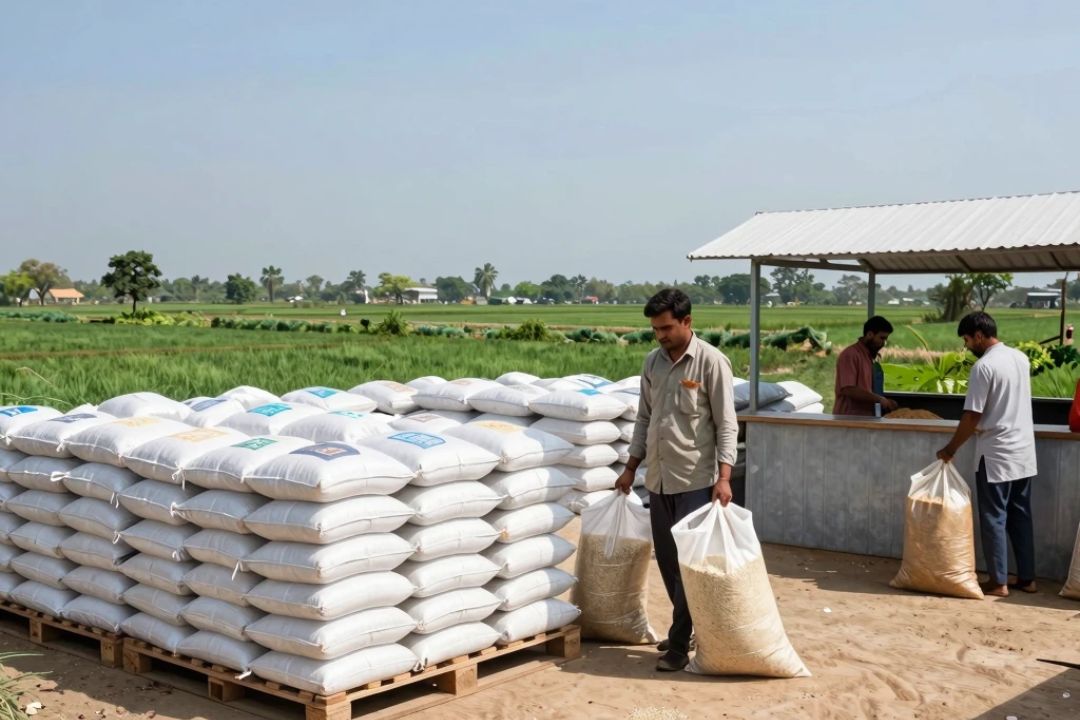
Food Security Schemes in India: Ensuring Nutrition and Hunger-Free Communities
Introduction
Food security is a fundamental requirement for the growth and development of any nation. In a country like India, where millions of people depend on agriculture and government welfare programs, ensuring access to sufficient and nutritious food remains a major priority. Food security is not only about providing enough food but also about ensuring that people receive healthy, safe, and affordable nutrition regularly.
The Government of India has introduced several food security schemes to reduce hunger, improve nutrition, support farmers, and protect vulnerable communities. These initiatives aim to provide food assistance to low-income families, improve child nutrition, strengthen agricultural production, and create a more sustainable food system.
Through programs such as the National Food Security Act, Public Distribution System, PM POSHAN, Integrated Child Development Services, and other welfare initiatives, India has made significant progress toward building hunger-free communities. This article explores the major food security schemes in India, their objectives, benefits, and their role in improving nutrition and reducing poverty.
Understanding Food Security in India
Food security refers to a situation where all people have regular physical and economic access to enough nutritious food required for a healthy life. It includes three main aspects:
1. Food Availability
Food must be available in sufficient quantities through agricultural production, imports, and proper storage systems.
2. Food Accessibility
People should have the financial ability and resources to obtain food without facing economic difficulties.
3. Food Utilization
Food should provide proper nutrition through balanced diets, clean water, and healthcare facilities.
India’s food security policies focus on addressing these three areas through government schemes and development programs.
Major Food Security Schemes in India
1. National Food Security Act (NFSA), 2013
The National Food Security Act (NFSA) is one of the most important food security initiatives in India. It provides legal support to ensure that eligible citizens receive subsidized food grains through the Public Distribution System (PDS).
The main goal of NFSA is to provide affordable food access to millions of people, especially economically weaker sections of society.
Key Features of NFSA:
- Provides subsidized rice, wheat, and coarse grains.
- Covers rural and urban vulnerable populations.
- Supports pregnant women and lactating mothers.
- Provides nutritional support for children.
- Strengthens food distribution systems.
The NFSA has played a major role in reducing hunger and improving food access among disadvantaged communities.
2. Public Distribution System (PDS)
The Public Distribution System is one of India’s oldest and largest food security programs. It ensures the supply of essential food grains to eligible households through a network of fair price shops.
Under PDS, the government purchases food grains from farmers at minimum support prices and distributes them to consumers at subsidized rates.
Benefits of the Public Distribution System:
- Provides affordable food to poor families.
- Helps control food price increases.
- Supports people during economic challenges.
- Improves access to essential food items.
The introduction of digital technology, electronic ration cards, and online monitoring systems has made the PDS system more transparent and efficient.
3. Pradhan Mantri Garib Kalyan Anna Yojana (PMGKAY)
The Pradhan Mantri Garib Kalyan Anna Yojana was introduced as a major food assistance program during the COVID-19 pandemic. The scheme provided free food grains to millions of people facing financial difficulties.
The program helped ensure that vulnerable families, migrant workers, and low-income groups continued to receive food support during a national crisis.
Importance of PMGKAY:
- Provided additional food security during emergencies.
- Reduced hunger among poor households.
- Supported families affected by income loss.
- Strengthened India’s emergency response system.
The scheme highlighted the importance of strong food supply networks during challenging situations.
4. PM POSHAN Scheme (Mid-Day Meal Scheme)
The PM POSHAN scheme, previously known as the Mid-Day Meal Scheme, focuses on improving nutrition among school children. It provides free meals to students studying in government and government-aided schools.
The program aims to reduce classroom hunger and encourage children to attend school regularly.
Objectives of PM POSHAN:
- Improve children’s nutritional health.
- Increase school attendance.
- Reduce malnutrition among students.
- Support children from economically weaker families.
By combining education with nutrition support, PM POSHAN contributes to the overall development of children.
5. Integrated Child Development Services (ICDS)
The Integrated Child Development Services (ICDS) is a major government program designed to improve the health and nutrition of children, pregnant women, and breastfeeding mothers.
The scheme operates through Anganwadi centers across the country.
Services Provided Under ICDS:
- Supplementary nutrition programs.
- Health check-ups.
- Immunization support.
- Growth monitoring.
- Nutrition awareness programs.
ICDS plays a vital role in preventing malnutrition and improving early childhood development.
6. One Nation One Ration Card Scheme
The One Nation One Ration Card (ONORC) scheme was launched to make food benefits portable across India. It allows ration card holders to collect subsidized food grains from any fair price shop in the country.
This scheme is especially helpful for migrant workers who frequently move between states for employment opportunities.
Advantages of ONORC:
- Provides nationwide access to ration benefits.
- Helps migrant families receive food support.
- Reduces dependency on a single location.
- Improves efficiency in food distribution.
The scheme uses digital technology to create a more flexible and inclusive food security system.
7. Pradhan Mantri Kisan Samman Nidhi (PM-KISAN)
Farmers are the backbone of India’s food security system. The PM-KISAN scheme provides financial assistance to eligible farmers to support agricultural activities.
By improving farmers’ economic stability, the scheme indirectly strengthens food production and rural development.
Benefits of PM-KISAN:
- Provides income support to farmers.
- Helps manage agricultural expenses.
- Supports small and marginal farmers.
- Encourages better farming practices.
Supporting farmers is essential for maintaining a stable food supply chain.
8. National Mission on Sustainable Agriculture (NMSA)
Sustainable agriculture is necessary for long-term food security. The National Mission on Sustainable Agriculture promotes farming methods that increase productivity while protecting natural resources.
The scheme encourages:
- Efficient water management.
- Soil health improvement.
- Climate-resilient farming.
- Sustainable agricultural practices.
These efforts help farmers adapt to climate challenges and maintain food production.
Role of Food Security Schemes in Building Hunger-Free Communities
Food security schemes have made a significant impact on Indian society by improving access to food and nutrition.
Reducing Hunger and Poverty
Government food programs provide essential support to poor households, helping them meet their daily food requirements.
Improving Child Nutrition
Programs like PM POSHAN and ICDS help reduce childhood malnutrition and promote healthier growth among children.
Supporting Women and Vulnerable Groups
Many food security initiatives provide special benefits to pregnant women, nursing mothers, elderly citizens, and economically weaker communities.
Strengthening Rural Development
Agricultural support schemes help farmers increase production and improve rural livelihoods.
Challenges in Achieving Complete Food Security
Despite progress, India continues to face several challenges:
1. Malnutrition
Food availability does not always guarantee proper nutrition. Balanced diets and healthcare awareness are still needed.
2. Food Wastage
Poor storage facilities and transportation problems can lead to significant food losses.
3. Climate Change
Extreme weather events such as droughts and floods can affect agricultural production.
4. Distribution Issues
Some regions still face challenges related to accessibility and efficient delivery of food benefits.
Future Steps for Improving Food Security in India
To create stronger and more sustainable food security systems, India needs to focus on:
- Promoting sustainable agriculture.
- Improving food storage infrastructure.
- Reducing food wastage.
- Expanding nutrition awareness programs.
- Using technology for transparent distribution.
- Supporting small and marginal farmers.
A combination of government policies, community participation, and technological innovation can help India move closer to achieving hunger-free communities.
Conclusion
Food security schemes in India have played a crucial role in ensuring that millions of people have access to affordable and nutritious food. Programs such as NFSA, PDS, PMGKAY, PM POSHAN, ICDS, ONORC, and PM-KISAN have strengthened India’s fight against hunger and malnutrition.
Although challenges remain, continuous improvements in food distribution, agricultural development, and nutrition programs are creating a stronger foundation for the future. By focusing on inclusive growth and sustainable practices, India can continue its journey toward building healthier, nutrition-secure, and hunger-free communities.