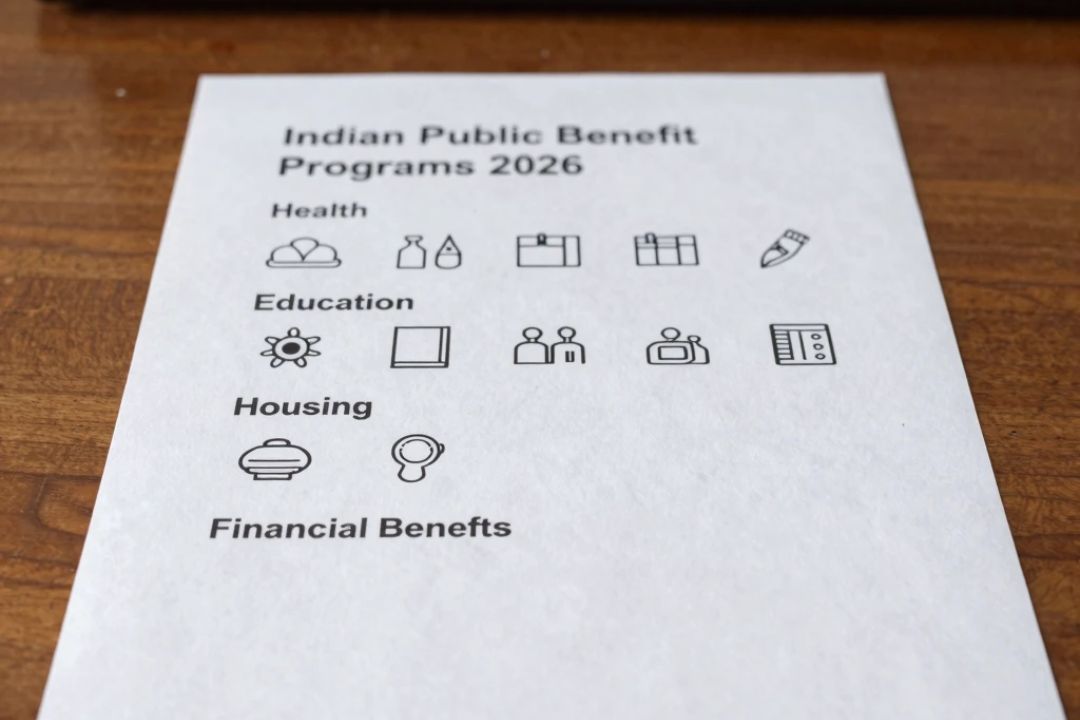
Indian Government Schemes 2026: Health, Education, Housing & Financial Benefits
Introduction
The Government of India plays a crucial role in improving the living standards of citizens through various welfare and development programs. In 2026, Indian government schemes continue to focus on important areas such as healthcare, education, housing, employment, financial security, agriculture, and social welfare. These initiatives aim to provide equal opportunities, reduce economic inequality, and support millions of people across the country.
Government schemes are designed to help different sections of society, including students, farmers, women, senior citizens, entrepreneurs, low-income families, and economically weaker communities. With the increasing use of digital technology, many welfare programs have become easier to access through online platforms, direct benefit transfers, and digital services.
This article provides a detailed overview of the major Indian government schemes in 2026, focusing on health, education, housing, and financial benefits available for citizens.
Importance of Indian Government Schemes
Government welfare schemes are essential for inclusive growth and social development. They help citizens access basic services and improve their economic conditions.
The major objectives of government schemes include:
- Providing affordable healthcare facilities.
- Improving access to quality education.
- Supporting affordable housing.
- Creating employment opportunities.
- Promoting financial inclusion.
- Helping farmers and rural communities.
- Empowering women and disadvantaged groups.
These programs contribute to building a stronger and more sustainable India.
Health-Related Government Schemes in India 2026
1. Ayushman Bharat Yojana
Ayushman Bharat is one of India’s largest healthcare welfare programs. It aims to provide affordable healthcare services and financial protection to eligible families.
The scheme focuses on reducing the financial burden of medical treatment and improving access to quality healthcare.
Benefits of Ayushman Bharat:
- Health coverage for eligible beneficiaries.
- Support for hospital expenses.
- Access to medical treatment through registered hospitals.
- Reduced healthcare costs for families.
Ayushman Bharat has become an important step toward achieving universal healthcare access in India.
2. National Health Mission (NHM)
The National Health Mission focuses on improving healthcare services, especially in rural and underserved areas.
Key Objectives:
- Strengthening healthcare infrastructure.
- Improving maternal and child healthcare.
- Expanding access to essential medical services.
- Supporting disease prevention programs.
The scheme helps improve public health facilities and healthcare delivery across India.
3. Pradhan Mantri Bhartiya Janaushadhi Pariyojana (PMBJP)
This initiative promotes affordable medicines by providing quality generic medicines at lower prices through dedicated stores.
Benefits:
- Affordable medicines for citizens.
- Reduced healthcare expenses.
- Improved access to essential drugs.
The program supports affordable healthcare for people from different income groups.
Education-Related Government Schemes in India 2026
Education is a key factor in national development. The Government of India has introduced several schemes to improve access to education and enhance learning opportunities.
4. Samagra Shiksha Abhiyan
Samagra Shiksha is an integrated education program that focuses on improving school education from primary to senior secondary levels.
Benefits:
- Better learning facilities.
- Support for digital education.
- Improved school infrastructure.
- Equal education opportunities.
The scheme aims to create a stronger and more inclusive education system.
5. PM SHRI Schools Scheme
The PM SHRI Schools initiative focuses on developing modern schools with advanced facilities and improved teaching methods.
Objectives:
- Upgrade school infrastructure.
- Promote innovative learning methods.
- Encourage skill-based education.
- Provide quality education opportunities.
The program aims to create model schools that support future-ready learning.
6. National Scholarship Schemes
Government scholarship programs help students continue their education by providing financial assistance.
Benefits:
- Support for higher education.
- Financial help for deserving students.
- Encouragement for academic growth.
- Reduced educational expenses.
Scholarship schemes help students from weaker financial backgrounds achieve their educational goals.
Housing Government Schemes in India 2026
Housing security is an important part of social development. The government has introduced several programs to provide affordable housing facilities.
7. Pradhan Mantri Awas Yojana (PMAY)
The Pradhan Mantri Awas Yojana aims to provide affordable housing to eligible families in rural and urban areas.
The scheme focuses on helping people build or access permanent houses with basic facilities.
Benefits of PMAY:
- Financial assistance for house construction.
- Support for affordable housing.
- Better living conditions.
- Improved access to essential services.
PMAY supports the vision of housing security for all citizens.
8. Affordable Housing Initiatives
Apart from PMAY, various housing programs focus on improving urban infrastructure, rental housing options, and basic living facilities.
Key Focus Areas:
- Affordable homes for low-income groups.
- Better urban planning.
- Improved sanitation and infrastructure.
- Sustainable housing solutions.
These initiatives contribute to safer and healthier communities.
Financial Benefit Government Schemes in India 2026
Financial security is necessary for economic independence and stability. Several government programs focus on banking access, income support, entrepreneurship, and savings.
9. Pradhan Mantri Jan Dhan Yojana (PMJDY)
PMJDY is a financial inclusion scheme that provides banking services to people who previously had limited access to formal banking.
Benefits:
- Zero-balance bank accounts.
- Access to banking services.
- Direct transfer of government benefits.
- Improved financial security.
The scheme has helped millions of citizens become part of India’s formal financial system.
10. Pradhan Mantri Kisan Samman Nidhi (PM-KISAN)
PM-KISAN provides financial assistance to eligible farmers to support agricultural activities.
Benefits:
- Income support for farmers.
- Assistance for farming expenses.
- Improved financial stability.
- Support for small and marginal farmers.
The scheme strengthens rural economies and supports agricultural development.
11. Pradhan Mantri Mudra Yojana (PMMY)
The Mudra Yojana supports small businesses and entrepreneurs by providing financial assistance.
Benefits:
- Business loans for micro-enterprises.
- Support for self-employment.
- Encouragement for entrepreneurship.
- Employment generation opportunities.
The scheme helps individuals start and expand small businesses.
12. Atal Pension Yojana (APY)
Atal Pension Yojana provides retirement security to workers, especially those in the unorganized sector.
Benefits:
- Pension support after retirement.
- Encourages savings.
- Provides financial stability.
- Supports elderly citizens.
The scheme promotes long-term financial planning among citizens.
Role of Digital Technology in Government Schemes
Digital technology has transformed the implementation of government programs in India. Online platforms and digital systems have improved transparency and accessibility.
Important digital improvements include:
- Online applications.
- Direct Benefit Transfer (DBT).
- Aadhaar-based verification.
- Digital payment systems.
- Mobile government services.
Technology helps reduce delays and ensures that benefits reach eligible citizens more efficiently.
Benefits of Indian Government Schemes
Government schemes provide several advantages to citizens:
Better Healthcare Access
Health programs reduce medical expenses and improve access to treatment.
Improved Education Opportunities
Education schemes help students receive better learning facilities and financial support.
Housing Security
Housing programs improve living conditions for families.
Financial Independence
Banking, entrepreneurship, and income support schemes promote economic stability.
Social Inclusion
Welfare programs ensure that disadvantaged communities receive necessary support.
Challenges in Implementing Government Schemes
Despite significant progress, some challenges remain:
Lack of Awareness
Many citizens are unaware of available government benefits.
Documentation Issues
Incomplete documents can create difficulties during applications.
Digital Barriers
Limited internet access and digital literacy can affect scheme participation.
Implementation Delays
Administrative challenges may slow down benefit delivery.
Future of Indian Government Schemes
The future of government welfare programs will focus on technology, sustainability, and inclusive development.
Important priorities include:
- Expanding digital services.
- Improving healthcare infrastructure.
- Strengthening education systems.
- Supporting entrepreneurship.
- Increasing financial inclusion.
- Creating more employment opportunities.
These efforts will help India achieve balanced and inclusive growth.
Conclusion
Indian government schemes in 2026 continue to play an important role in improving citizens’ lives through healthcare, education, housing, and financial support. Programs such as Ayushman Bharat, PMAY, PMJDY, PM-KISAN, Skill development initiatives, and education schemes provide valuable assistance to millions of people.
By improving awareness, accessibility, and implementation, these initiatives can create greater social security and economic opportunities. Government welfare schemes remain a powerful tool for building a stronger, healthier, and more inclusive India.