The National Food Security Scheme (NFSS) is one of India’s most important welfare initiatives, helping eligible households access subsidized food grains through the National Food Security Act (NFSA) and the Public Distribution System (PDS). The scheme is designed to improve food security, reduce hunger, and support economically weaker families by ensuring access to essential food items at affordable prices.
Today, most state governments offer online registration services, making it easier for citizens to apply for a new ration card, update beneficiary details, check application status, and access other services from home.
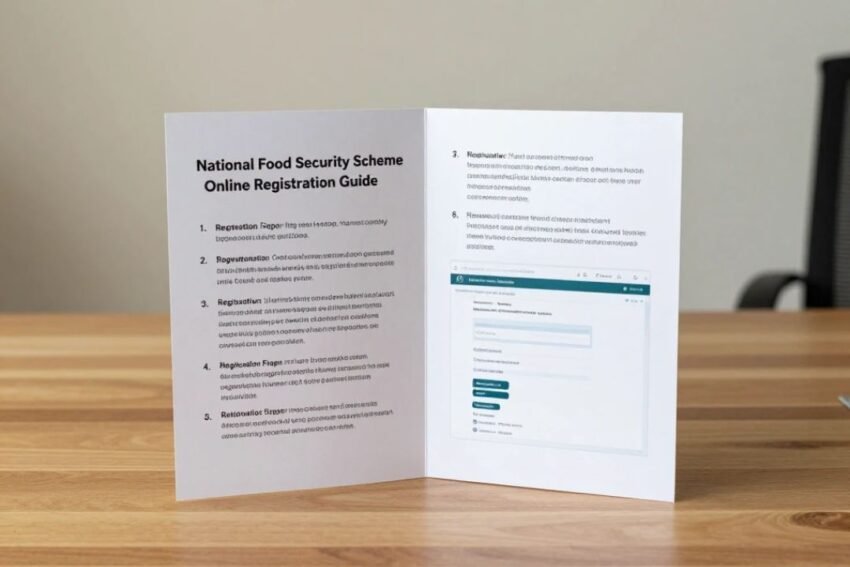
If you are searching for a National Food Security Scheme Online Registration Guide, this article explains the eligibility criteria, benefits, required documents, registration process, application status, and frequently asked questions in a simple step-by-step format.
What is the National Food Security Scheme?
The National Food Security Scheme is a government initiative implemented under the National Food Security Act (NFSA), 2013. The scheme provides subsidized food grains to eligible households through Fair Price Shops (FPS) across India.
The Central Government procures food grains, while State Governments identify eligible beneficiaries, issue ration cards, and distribute food through the Public Distribution System.
The primary objective of the scheme is to ensure that economically weaker households have access to affordable food throughout the year.
Objectives of the National Food Security Scheme
The National Food Security Scheme aims to improve the living standards of eligible citizens through food assistance.
Its main objectives include:
- Ensuring food security for eligible households.
- Providing subsidized food grains.
- Reducing hunger and malnutrition.
- Supporting low-income families.
- Improving nutritional security.
- Strengthening the Public Distribution System.
- Promoting social welfare.
- Ensuring transparent food distribution.
- Supporting vulnerable communities during emergencies.
Benefits of the National Food Security Scheme
The scheme offers several important benefits for eligible families.
Subsidized Food Grains
Eligible beneficiaries receive food grains such as rice, wheat, and coarse cereals at subsidized prices through authorized Fair Price Shops.
Improved Food Security
The scheme ensures continuous access to essential food items throughout the year.
Financial Relief
Lower food costs reduce household expenses, allowing families to spend more on healthcare, education, and other basic needs.
Nutritional Support
The National Food Security framework also supports nutrition-related programs for pregnant women, lactating mothers, and children through government welfare initiatives.
Digital Services
Many states provide online facilities for:
- New registration
- Ration card correction
- Address updates
- Family member addition
- Duplicate ration card requests
- Application status tracking
Who Can Apply?
Eligibility is decided by the respective State Government according to the National Food Security Act.
Generally, eligible applicants include:
- Priority Household (PHH) families.
- Antyodaya Anna Yojana (AAY) households.
- Economically weaker families.
- Eligible rural households.
- Eligible urban households.
- Other beneficiary categories notified by State Governments.
Applicants should always check the latest eligibility rules issued by their State Food and Civil Supplies Department.
Documents Required for Online Registration
Before beginning the online registration process, keep the following documents ready.
Commonly required documents include:
- Aadhaar Card
- Identity proof
- Address proof
- Passport-size photographs
- Mobile number
- Family member details
- Income certificate (if applicable)
- Existing ration card (for modifications or transfers)
Some states may require additional supporting documents depending on local regulations.
National Food Security Scheme Online Registration Process
Most State Governments now provide online registration facilities through their official Food and Civil Supplies Department portals.
Follow these steps to complete your application.
Step 1: Verify Eligibility
Before applying, confirm that you meet your state’s eligibility criteria under the National Food Security Act.
Step 2: Prepare All Documents
Collect and scan all required documents in the prescribed format before starting the application.
Step 3: Register on the Official Portal
Create a user account using your mobile number or other required details if registration is necessary.
Step 4: Fill Out the Online Application Form
Enter your:
- Name
- Address
- Family details
- Aadhaar information (where applicable)
- Contact details
- Other required information
Review all entries carefully before proceeding.
Step 5: Upload Required Documents
Upload scanned copies of all required documents.
Ensure that every document is clear and readable.
Step 6: Submit the Application
After reviewing all information, submit the application.
Save the acknowledgement or application number for future reference.
Step 7: Verification
Government officials verify the applicant’s identity, eligibility, and submitted documents.
If additional verification is required, applicants may be contacted.
Step 8: Approval
After successful verification, the application is approved, and the applicant receives the appropriate ration card according to eligibility.
How to Check Registration Status
Applicants can usually track their application online.
Commonly required details include:
- Application number
- Registered mobile number
- Aadhaar number (where supported)
- Ration card number
Checking the application status regularly helps applicants stay informed about verification and approval.
One Nation One Ration Card (ONORC)
The One Nation One Ration Card initiative enables eligible beneficiaries to receive subsidized food grains from participating Fair Price Shops anywhere in India.
This feature is especially beneficial for migrant workers who move between states for employment while continuing to receive their food entitlements.
Digital Features of the National Food Security Scheme
Technology has improved the efficiency of food distribution.
Important digital features include:
- Online registration
- Aadhaar-based authentication
- Electronic Point of Sale (ePoS) devices
- SMS notifications
- Online grievance redressal
- Digital beneficiary database
- Online application tracking
- Improved transparency in food distribution
These improvements help reduce duplication and improve service delivery.
Common Reasons for Application Rejection
Applications may be rejected because of:
- Incorrect personal information
- Missing documents
- Duplicate applications
- Invalid address proof
- Incomplete application forms
- Failure to meet eligibility criteria
Applicants should carefully review all details before submission.
Tips for Successful Online Registration
To improve your chances of approval:
- Read the eligibility guidelines carefully.
- Submit genuine and updated documents.
- Ensure family information is accurate.
- Keep your registered mobile number active.
- Save copies of all submitted documents.
- Track your application regularly.
- Respond promptly if additional verification is requested.
Why the National Food Security Scheme is Important
The National Food Security Scheme plays a vital role in strengthening India’s food security system. It supports millions of families by making essential food grains affordable while reducing hunger and improving nutrition.
The introduction of digital registration, online services, Aadhaar authentication, and One Nation One Ration Card has further improved accessibility, transparency, and convenience for beneficiaries across the country.
Frequently Asked Questions (FAQs)
What is the National Food Security Scheme?
The National Food Security Scheme is a government initiative implemented under the National Food Security Act to provide subsidized food grains to eligible households through the Public Distribution System.
Who can register for the scheme?
Eligibility is determined by State Governments. Priority Household (PHH) families, Antyodaya Anna Yojana (AAY) households, and other eligible beneficiaries may qualify.
Can I complete the registration online?
Yes. Many State Governments provide online registration facilities for new ration cards, updates, corrections, and application tracking.
What documents are required for registration?
Applicants generally need an Aadhaar Card, identity proof, address proof, passport-size photographs, family details, and any additional documents required by the concerned State Government.
How can I check my registration status?
Applicants can usually track their application using the application number, registered mobile number, Aadhaar number (where applicable), or ration card number through the official state portal.
What is One Nation One Ration Card?
One Nation One Ration Card allows eligible beneficiaries to receive subsidized food grains from participating Fair Price Shops anywhere in India using the same ration card.
Conclusion
The National Food Security Scheme is one of India’s most impactful welfare programs, helping eligible families access affordable food grains through a transparent and efficient distribution system. With online registration, digital verification, and nationwide ration card portability, the scheme has become more convenient and accessible than ever before.
If you are eligible, review your state’s guidelines, prepare the required documents, and complete your application through the official Food and Civil Supplies Department portal. Providing accurate information and tracking your application regularly can help ensure a smooth registration process and timely access to your food security benefits.