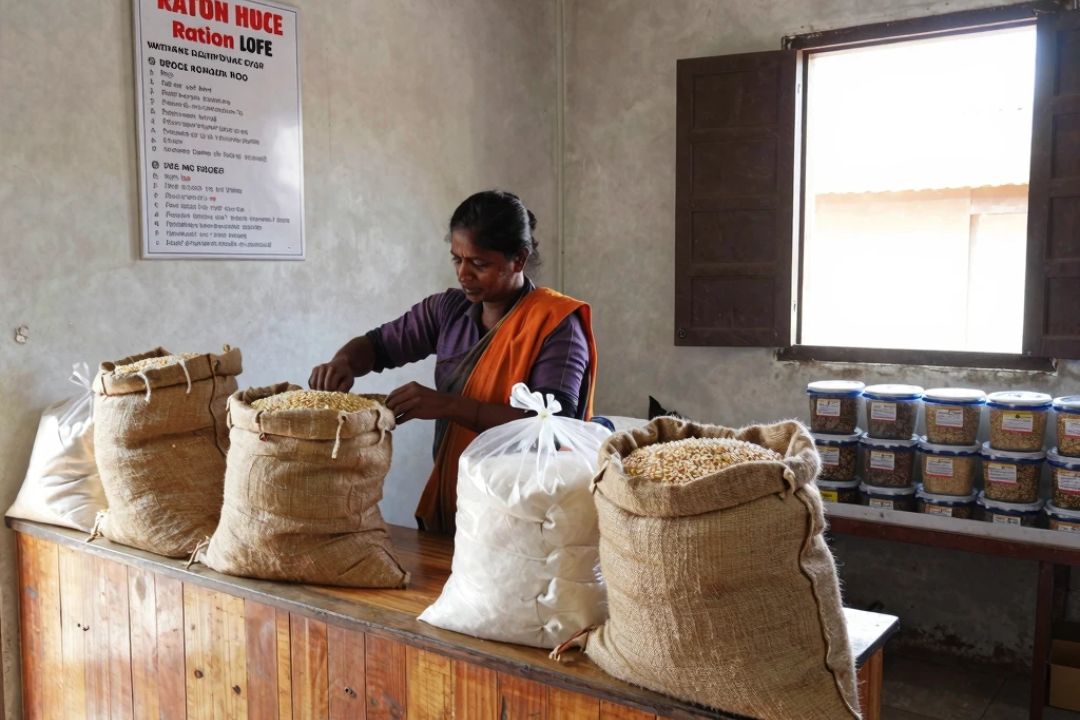
Public Distribution System (PDS) Updates India: Ration Rules, Benefits & Latest News
Introduction
The Public Distribution System (PDS) in India is one of the largest government food security programmes in the world. It provides essential food grains such as rice and wheat to eligible families through a nationwide network of Fair Price Shops (FPS). The system plays a crucial role in supporting economically weaker sections and ensuring that millions of citizens have access to basic food supplies.
In 2026, the Public Distribution System has witnessed several important updates related to ration rules, digital services, beneficiary verification, free ration benefits, and technology-based reforms. The government is focusing on improving transparency, reducing irregularities, and making ration distribution more efficient for card holders.
The PDS system operates under the joint responsibility of the Central and State Governments. The Central Government manages procurement, storage, transportation, and bulk allocation of food grains, while state governments handle beneficiary identification, ration card issuance, and Fair Price Shop management.
This article explains the latest PDS updates in India 2026, new ration rules, benefits for ration card holders, eligibility criteria, online services, and government announcements.
What is the Public Distribution System (PDS)?
The Public Distribution System (PDS) is a government-managed food distribution network created to provide affordable food grains to eligible households. It works through ration cards issued by state governments and distributes food grains through authorised ration shops.
The main objectives of PDS are:
- Ensuring food security for vulnerable families.
- Providing affordable food grains.
- Reducing hunger and malnutrition.
- Supporting low-income households.
- Maintaining stability in food supply.
Over the years, PDS has developed from a simple ration supply system into a technology-driven platform with digital records, online services, and electronic verification systems.
Latest Public Distribution System Updates India 2026
The government continues to modernise the PDS system with new technology and improved management practices. The latest updates focus on making ration delivery more transparent and beneficiary-friendly.
1. Modernisation of PDS Through Technology
One of the biggest changes in the ration system is the increasing use of digital technology. The government has approved continuation of the SARTHAK-PDS initiative, which focuses on improving ration transportation, automation, and technology-based monitoring of PDS operations.
Key features include:
- Better tracking of food grain movement.
- Improved Fair Price Shop operations.
- Digital monitoring systems.
- More transparent ration delivery.
- Stronger last-mile connectivity.
These reforms aim to make sure that eligible beneficiaries receive their ration benefits without unnecessary delays.
New Ration Rules for Card Holders in 2026
Ration card holders should be aware of important rules introduced to improve the distribution system.
1. Beneficiary Verification
Government authorities continue to verify ration card records to ensure that benefits reach genuine beneficiaries.
Verification helps:
- Remove duplicate ration cards.
- Update incorrect information.
- Improve accuracy of beneficiary databases.
- Reduce misuse of government benefits.
Beneficiaries may need to update their details or complete verification procedures according to state government instructions.
2. Aadhaar-Based Authentication
Aadhaar-based verification has become an important part of the digital PDS system. Many Fair Price Shops use electronic Point of Sale (ePoS) machines for beneficiary authentication before ration distribution.
Benefits of Aadhaar authentication include:
- Faster verification.
- Reduced fraud.
- Better identification of beneficiaries.
- Digital recording of transactions.
However, beneficiaries facing technical issues should contact their local ration department or Fair Price Shop authorities for assistance.
3. Updated Ration Card Information
Ration card holders should keep their information updated, including:
- Family member details.
- Address information.
- Mobile number.
- Aadhaar linking status.
Updated records help avoid problems while receiving monthly ration benefits.
Free Ration Benefits Under PDS Scheme
Free ration schemes are an important part of India’s food security system. Eligible families receive food grains through government-supported programmes based on their ration card category.
Major benefits include:
1. Monthly Food Grain Support
Eligible beneficiaries receive their monthly ration quota through Fair Price Shops. The quantity and type of food grains depend on government guidelines and beneficiary category.
2. Financial Assistance to Poor Families
Free or subsidised ration reduces household expenses and helps families manage other essential needs such as healthcare, education, and daily expenses.
3. Support During Economic Challenges
Government ration programmes provide stability during periods of inflation, unemployment, or financial difficulties.
4. Food Security for Vulnerable Groups
The scheme benefits:
- Low-income families.
- Rural households.
- Elderly citizens.
- Economically weaker sections.
Ration Card Categories Under PDS
Ration card benefits are provided according to different categories.
Priority Household (PHH) Ration Card
PHH beneficiaries are covered under the National Food Security Act (NFSA). These households receive food grains according to their entitlement.
Antyodaya Anna Yojana (AAY) Ration Card
AAY ration cards are issued to the poorest households. These families receive additional food security support.
State-Level Ration Cards
Different states may provide additional benefits through their own food welfare schemes.
Eligibility Criteria for PDS Benefits
Eligibility rules may differ between states, but common requirements include:
- Applicant must be an Indian citizen.
- Family income should meet government limits.
- Applicant should not have duplicate ration records.
- Household information should be correctly registered.
- Required documents should be available.
State governments regularly update beneficiary lists to maintain accurate records.
Documents Required for Ration Card Services
Citizens may require the following documents for ration card applications, corrections, or updates:
- Aadhaar card.
- Address proof.
- Mobile number.
- Family details.
- Income certificate (if required).
- Existing ration card information.
Keeping documents updated makes it easier to access PDS benefits.
One Nation One Ration Card Scheme Update
The One Nation One Ration Card (ONORC) initiative allows eligible beneficiaries to access ration benefits from locations outside their registered state or district.
This facility is especially helpful for migrant workers who move for employment.
Benefits of ONORC include:
- Portability of ration benefits.
- Easier access for migrant families.
- Reduced dependency on one ration shop.
- Greater flexibility for beneficiaries.
Online PDS Services for Ration Card Holders
Digital services have made ration-related information easier to access.
Citizens can use online platforms for:
- Checking ration card status.
- Viewing beneficiary details.
- Updating family information.
- Checking ration distribution details.
- Applying for corrections.
The National Food Security Act portal provides information related to PDS operations and state-level services.
How Does the PDS Distribution Process Work?
The ration distribution system follows several steps:
Step 1: Food Grain Procurement
Government agencies purchase food grains from farmers.
Step 2: Storage and Transportation
Food grains are stored in warehouses and transported to different states.
Step 3: Allocation to States
The Central Government allocates food grains to state governments.
Step 4: Distribution Through Fair Price Shops
Ration shops distribute food grains to eligible card holders after verification.
The system is designed to ensure smooth movement of food grains from procurement centres to beneficiaries.
Benefits of Digital PDS System
The digital transformation of PDS has improved the overall ration distribution process.
Increased Transparency
Digital records make it easier to monitor ration allocation and delivery.
Reduced Fraud
Verification systems help identify duplicate and incorrect records.
Faster Services
Online facilities reduce paperwork and improve accessibility.
Better Monitoring
Authorities can track ration movement and Fair Price Shop activities.
Challenges in the Public Distribution System
Despite improvements, some challenges remain.
Technical Problems
Network failures and biometric authentication issues can sometimes affect ration collection.
Awareness Issues
Some beneficiaries may not know about online services and available facilities.
Data Updating Problems
Incorrect information in ration records can create difficulties.
Distribution Delays
Transportation issues may affect timely ration delivery in some remote areas.
Important Tips for Ration Card Holders in 2026
Beneficiaries should follow these steps:
- Keep ration card details updated.
- Complete required verification processes.
- Check official government announcements.
- Collect ration according to the monthly schedule.
- Report problems through official grievance channels.
Citizens should rely on official government sources for accurate information about ration rules and benefits.
Future of PDS in India
The future of India’s Public Distribution System is expected to become more digital, transparent, and technology-based. Government initiatives are focusing on improving supply chains, strengthening monitoring systems, and making ration services easier for citizens.
Future improvements may include:
- More automated ration services.
- Better digital platforms.
- Improved delivery systems.
- Stronger beneficiary verification.
These reforms will help create a more efficient food security system for millions of Indian families.
Conclusion
The Public Distribution System (PDS) Updates India 2026 highlight important changes aimed at improving ration distribution, beneficiary services, and food security. With digital reforms, better monitoring, and improved transparency, the government is working to make the ration system more reliable.
For ration card holders, staying updated about PDS rules, free ration benefits, eligibility requirements, and government announcements is essential to receive benefits smoothly.
As India continues to modernise its food distribution network, the Public Distribution System will remain a key pillar in ensuring food security and supporting vulnerable communities across the country.