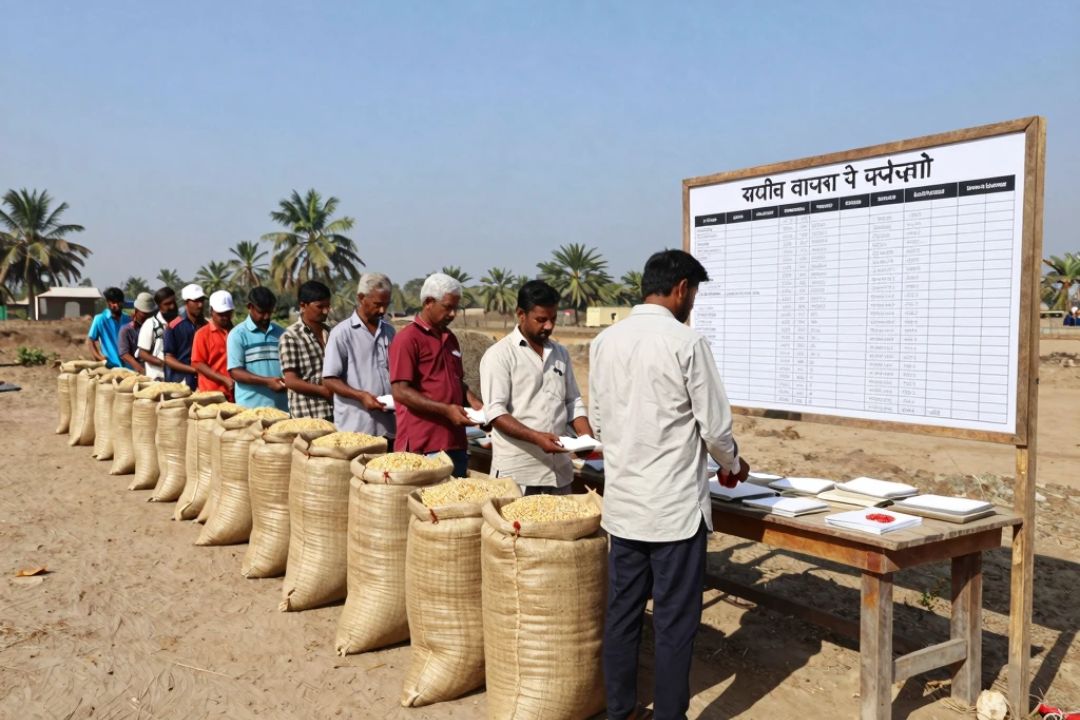
Ration Distribution Latest News India: New Updates, Timetable & Government Announcements
Introduction
The Ration Distribution System in India plays a vital role in providing food security to millions of families through the Public Distribution System (PDS). Every month, eligible ration card holders receive essential food grains such as rice and wheat through Fair Price Shops (FPS) across the country.
In 2026, several important developments have been announced regarding ration distribution, PDS reforms, ration card verification, digital services, and government initiatives. The focus of the government is to make the ration supply system more transparent, technology-driven, and accessible for beneficiaries.
The latest updates include improvements in food grain transportation, automation of ration shops, digital monitoring, and better last-mile delivery systems. The government has also approved the continuation of the SARTHAK-PDS scheme, aimed at modernising the Public Distribution System with technology and improved logistics.
This article covers the latest Ration Distribution News India 2026, monthly ration timetable, new government announcements, eligibility rules, ration card updates, and beneficiary information.
Latest Ration Distribution News India 2026
The Indian government continues to strengthen the Public Distribution System to ensure that food grains reach eligible beneficiaries without delays. The latest reforms focus on improving transparency, reducing irregularities, and using digital technology for better management.
One of the major announcements is the approval of the SARTHAK-PDS initiative, which combines ration transportation support and technology-based PDS reforms. The scheme has received approval for continued implementation with a central allocation of ₹25,530 crore during the 16th Finance Commission period.
The major objectives of these updates include:
- Improving ration supply chain management.
- Supporting Fair Price Shop dealers.
- Increasing automation in ration distribution.
- Ensuring better monitoring of food grain movement.
- Making the PDS system more efficient and transparent.
The Department of Food and Public Distribution regularly publishes notifications, allocation details, and policy updates related to ration distribution.
Ration Distribution Timetable 2026
The ration distribution timetable is generally decided by individual state governments. The schedule may differ depending on the state, district, and local administration.
Usually, ration distribution follows a monthly cycle:
First Week of the Month
- Food grains are transported to Fair Price Shops.
- Dealers receive their allocated stock.
Middle of the Month
- Distribution begins for ration card holders.
- Beneficiaries collect their monthly entitlement after verification.
End of the Month
- Remaining stock distribution and reporting are completed.
For example, some state civil supplies departments issue monthly ration quota announcements and distribution schedules through official portals.
Beneficiaries should check their respective state food department website or local ration shop for the exact monthly timetable.
Government Announcements on Ration Distribution System
The government has introduced several measures to improve India’s food distribution network.
1. SARTHAK-PDS Modernisation Scheme
The SARTHAK-PDS scheme aims to create a smarter and more efficient Public Distribution System. It focuses on:
- Technology-based monitoring.
- Better transportation of food grains.
- Improved Fair Price Shop operations.
- More transparent ration delivery.
The scheme is expected to strengthen food security programmes and improve service delivery for millions of NFSA beneficiaries.
2. Digital Ration Distribution
Digital technology has become an important part of ration distribution in India.
Modern PDS systems include:
- Electronic Point of Sale (ePoS) machines.
- Online ration card databases.
- Aadhaar-based authentication.
- Digital monitoring of food grain movement.
These systems help reduce fake ration cards and improve accuracy in beneficiary identification.
3. One Nation One Ration Card Facility
The One Nation One Ration Card (ONORC) initiative allows eligible beneficiaries to access ration benefits from anywhere in India where the system is available.
This facility is especially helpful for:
- Migrant workers.
- People who move between states for employment.
- Families living away from their registered ration card location.
Ration Card Beneficiary Information 2026
A ration card is the primary document used by eligible families to receive benefits under the Public Distribution System.
Beneficiaries are mainly divided into categories such as:
Priority Household (PHH)
Priority Household ration card holders receive food grains according to National Food Security Act guidelines.
Antyodaya Anna Yojana (AAY)
AAY households are among the poorest families and receive additional food security support under government rules.
State Government Beneficiaries
Many states also operate additional ration schemes for specific groups based on local requirements.
Who is Eligible for Ration Benefits?
Eligibility criteria may vary from state to state, but common conditions include:
- Applicant must be an Indian citizen.
- Family income should meet state government guidelines.
- Applicant should not have duplicate ration records.
- Household details must be correctly registered.
- Required documents should be available.
State governments periodically update ration card lists to ensure that benefits reach genuine beneficiaries.
Documents Required for Ration Card Services
Citizens may require the following documents for ration-related services:
- Aadhaar card.
- Ration card details.
- Address proof.
- Mobile number.
- Family member information.
- Income-related documents (if required).
Documents required may differ depending on the state and type of service.
How to Check Ration Distribution Status Online?
Beneficiaries can check ration-related information online through official government portals.
Steps generally include:
- Visit your state’s Food and Civil Supplies Department website.
- Select the ration card or beneficiary section.
- Enter your ration card number or required details.
- View ration card status and distribution information.
Many states also provide online facilities for:
- Ration card correction.
- Adding or removing family members.
- Checking monthly entitlement.
- Viewing beneficiary details.
Benefits of Updated Ration Distribution System
The improved PDS system provides several benefits to citizens.
Better Transparency
Digital records help authorities track food grain movement and reduce misuse.
Faster Service Delivery
Automation helps ration shops manage distribution more efficiently.
Reduced Fraud
Online databases and verification systems help identify duplicate beneficiaries.
Improved Access
Online services allow citizens to access important ration information without visiting government offices repeatedly.
Challenges in Ration Distribution
Although the ration system has improved significantly, some challenges remain.
Technical Issues
Biometric authentication failures and network problems can sometimes affect ration collection.
Awareness Problems
Some beneficiaries may not know about online services and government facilities.
Updating Records
Regular updating of ration card information is necessary to ensure accurate beneficiary lists.
Remote Area Challenges
Transport and connectivity issues can affect ration delivery in some rural and remote regions.
Important Tips for Ration Card Holders in 2026
Beneficiaries should follow these important steps:
- Keep ration card information updated.
- Link required documents according to government rules.
- Check official announcements regularly.
- Collect ration within the given distribution period.
- Report problems through official grievance channels.
Avoid sharing Aadhaar details or personal information with unknown individuals claiming to provide ration benefits.
Future of Ration Distribution in India
The future of India’s ration distribution system is moving towards complete digital transformation. With improved technology, online monitoring, and automated systems, the government aims to make food grain delivery more reliable and transparent.
Upcoming improvements may include:
- Advanced supply chain monitoring.
- Better digital platforms.
- Stronger beneficiary verification.
- Improved Fair Price Shop services.
These reforms are expected to make the Public Distribution System more efficient and beneficiary-friendly.
Conclusion
The Ration Distribution Latest News India 2026 highlights important changes in India’s Public Distribution System, including digital reforms, improved logistics, ration timetable updates, and government announcements.
The introduction of technology-based solutions and schemes like SARTHAK-PDS aims to improve transparency and ensure that food grains reach eligible families on time.
Ration card holders should regularly check official government portals and state food department updates to stay informed about ration distribution dates, new rules, beneficiary information, and PDS announcements.